Moving to Albania is one of the best decisions many expats say they've ever made — the cost of living, the food, the scenery, and the warmth of the people are all extraordinary. But Albanian (Shqip) is no walk in the park for English, French, or even Italian speakers. It's an isolate language — not closely related to any other European tongue — which means the vocabulary, grammar, and sounds all need to be learned from scratch.
The good news? Albanians are incredibly patient and encouraging with foreigners who try to speak their language. Even a handful of phrases will earn you genuine smiles and a deeper welcome into the culture. And with the right approach, conversational fluency is absolutely achievable.
Should you take classes, hire a tutor, or use an app?
The honest answer is: all three work best together. Apps like Duolingo have an Albanian course that's great for building basic vocabulary and keeping a daily habit. But for serious progress — especially with pronunciation and grammar — you'll need human feedback. Here's how to think about it:
- Apps (Duolingo, Anki, Pimsleur): Best for vocabulary building, listening practice, and daily 10-minute sessions. Free or cheap. Can't replace real conversation practice.
- Group classes: Cost-effective (€10–15/hour), motivating, and give you conversational practice with peers. Tirana has several excellent schools. Best if you can commit to regular sessions.
- Private tutors: The fastest way to progress if budget allows. A good tutor tailors lessons to your specific needs — whether you need survival Albanian for daily life, or formal language for business. Expect to pay €18–30/hour in Tirana.
"I took group classes for two months and made slow progress. Then I switched to private lessons and within three months I was having full conversations at the market. The one-on-one attention made all the difference."
The best language schools in Tirana
Tirana has a growing number of quality language schools catering to both expats and Albanian locals wanting to learn European languages. Here are the top options recommended by the expat community:
Alba Language Academy
Consistently rated the top choice for expats learning Albanian. Alba offers structured courses from A1 to C2, with qualified teachers who have experience working with adult foreign learners. They also offer English, Italian, and Greek courses. Group classes run in small cohorts of no more than 8 students, and private tutoring is available at flexible hours including evenings and weekends. Online sessions are available for those not yet in Tirana. Prices start at €12/hour for group and €25/hour for private.
Speak Up Language Center
More focused on English and European languages, but they do offer Albanian for foreigners. Their immersive approach incorporates real-world scenarios — shopping, navigating, socializing — which many students find highly practical. Located on Rruga Kavajës in the center of Tirana.
Private tutors via Directory Albania
For maximum flexibility and personalization, many expats opt for private tutors found through platforms like ours. Standout tutors include Arta Berisha (4.9 stars, 43 reviews — specializes in Albanian for expats with a patient, conversational approach) and Erjon Hoxha (5.0 stars, excellent for business Albanian and formal grammar).
Tips that actually speed up your progress
Beyond structured classes, here are the habits that experienced language learners in the Albanian expat community swear by:
- Watch Albanian TV with subtitles — RTV Klan and Top Channel both have great content.
- Listen to Albanian music and look up lyrics. Artists like Elvana Gjata or traditional iso-polyphony offer great ear training.
- Find a language exchange partner — many Albanians want to practice English and will happily meet weekly for conversation swaps.
- Use the Pazari i Ri (New Bazaar) in Tirana as your practice ground. Vendors there are used to foreigners and refreshingly patient.
- Download the Anki app and build flashcard decks for vocabulary — consistency of 20 minutes a day compounds faster than occasional long sessions.
What to expect: a realistic timeline
Albanian is considered a Category IV language for English speakers by the US Foreign Service Institute — meaning it officially requires around 1,100 hours of study to reach professional fluency. Don't be discouraged by that number. Most expats aren't aiming for professional fluency — they want to shop, socialize, navigate bureaucracy, and make friends. That conversational level is realistically achievable in 3–6 months of consistent study, especially with a good tutor.
The key is consistency over intensity. Twenty minutes every day beats a three-hour cramming session once a week. And getting out and practicing in real Tirana — at the coffee bar, at the market, with neighbors — accelerates everything.
A note on Albanian dialects
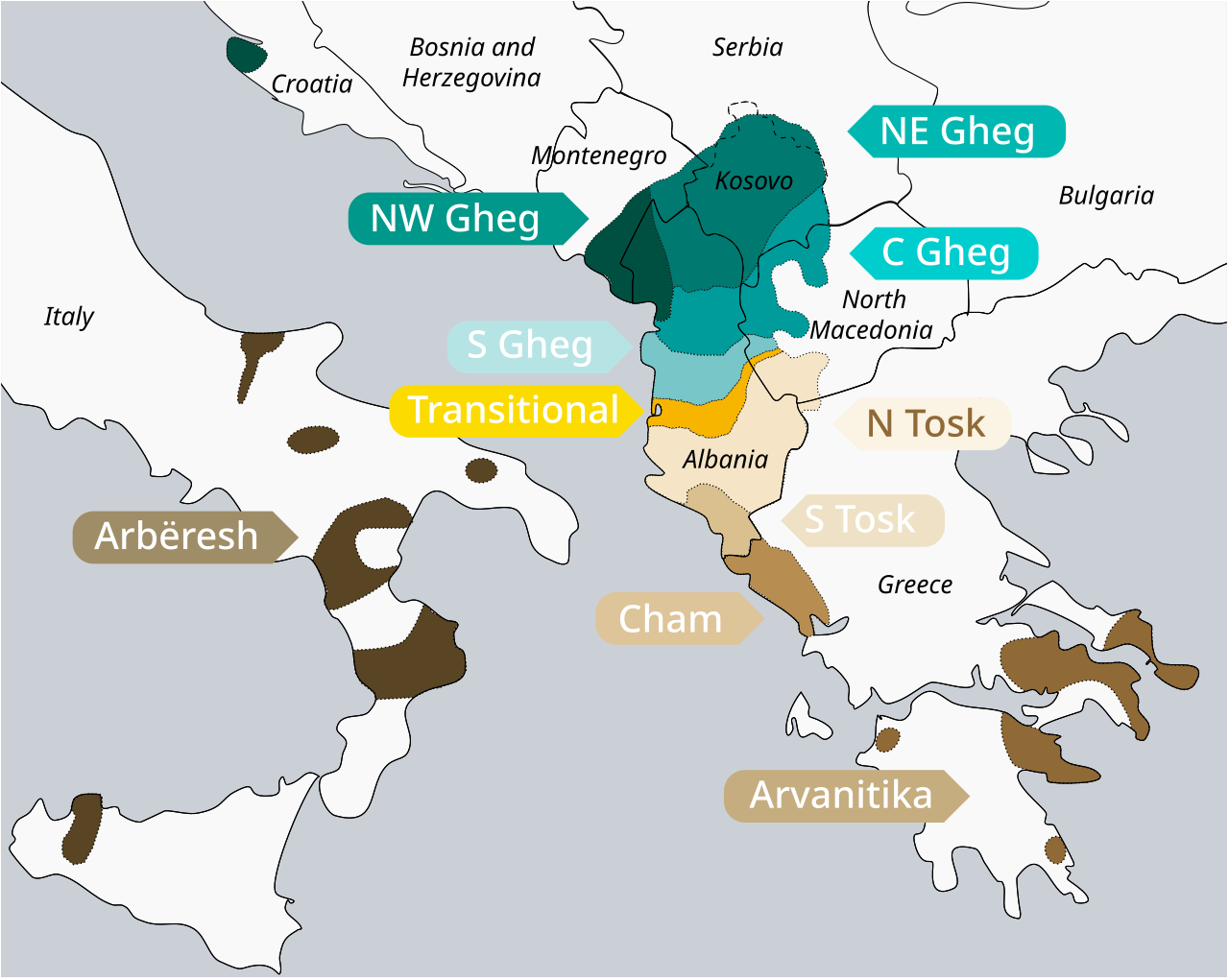
Albanian has two main dialects: Gheg (spoken in the north, including Tirana) and Tosk (spoken in the south). Standard literary Albanian (used in schools, media, and formal settings) is based on Tosk, but the vast majority of people in Tirana speak Gheg. Most language schools teach standard Albanian, which is understood everywhere — but don't be surprised if colloquial Tirana speech sounds a bit different from what you learned in class.
"Albanian seemed impossible at first. But three months in, I ordered my coffee, gave directions to a lost tourist, and chatted with my landlord all in Albanian in the same morning. That moment made it all worthwhile."
Whether you're an expat putting down roots in Tirana, a digital nomad spending a season in Albania, or a traveler wanting to go deeper than the tourist trail — learning even basic Albanian is one of the best investments you can make. Start with a class, supplement with apps, and get out and practice. Albania will reward you for it.
Ready to start learning Albanian?
Browse verified language schools and private tutors across Albania.
Find language classes →